How it Works
Federated Network
What is Federated Network?
Federated network enables multiple institutions to collaborate without sharing or centralizing sensitive data. It provides the technical foundation to connect distributed nodes, orchestrate communication, and manage resources across a secure network. Each participant retains full control over its local data and computing environment, while the network ensures interoperability, scalability, and secure execution of distributed tasks. Fed-BioMed implements this through a modular node-based architecture, secure communication protocols, and orchestration tools that allow data providers and research teams to seamlessly join and operate within a federated network.
Learn more ➤System Architecture
Fed-BioMed is based on an architecture designed for healthcare environments. It separates local data environments from coordination mechanisms while ensuring secure communication between participants.
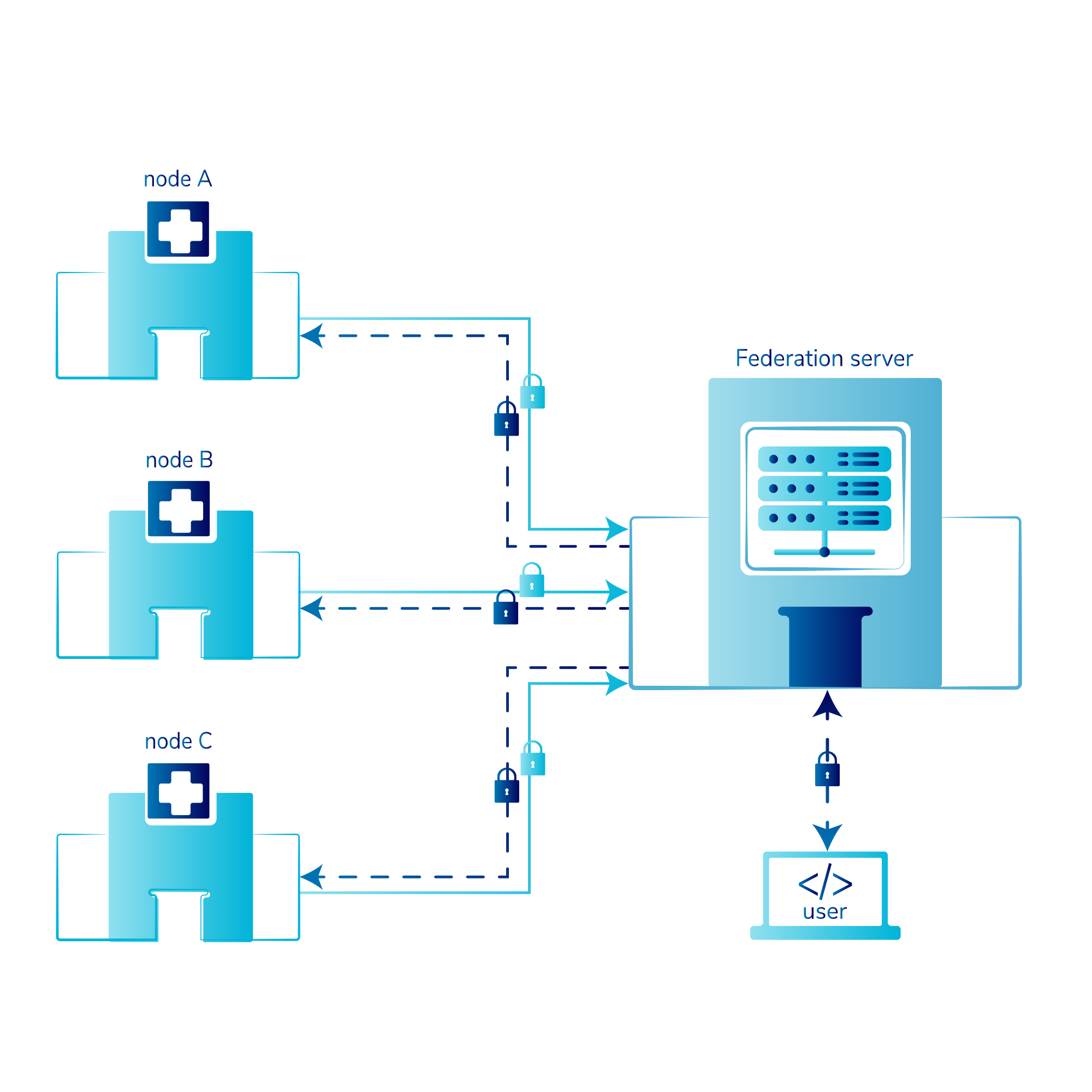
Autonomous institutional environments where data remains locally stored and protected.
The federation server coordinates the federated workflow.
APIs for defining training plans and configuring experiments.
Workflow
Fed-BioMed federated network follows a practical deployment workflow, from local node installation to federated operations and monitoring.
Node Installation
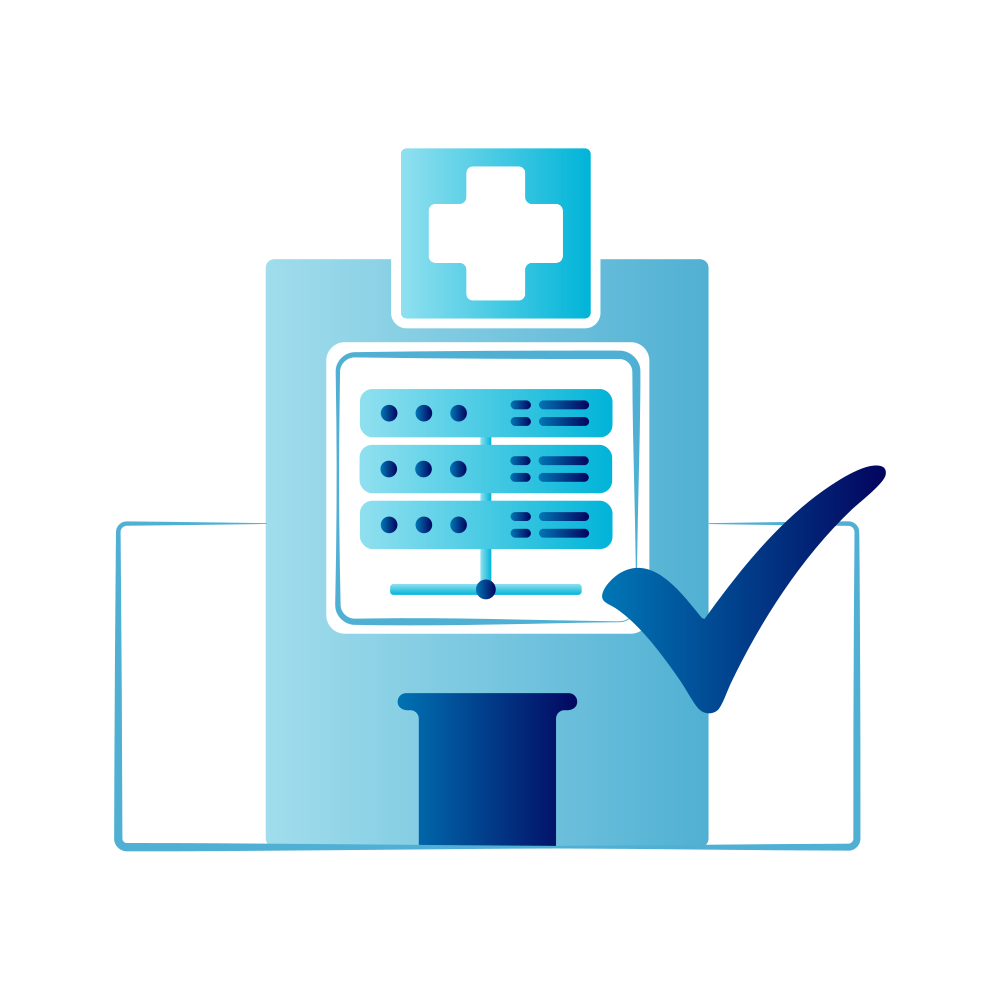
Each institution deploys a local Fed-BioMed node within its own secure environment.
Federation Registration
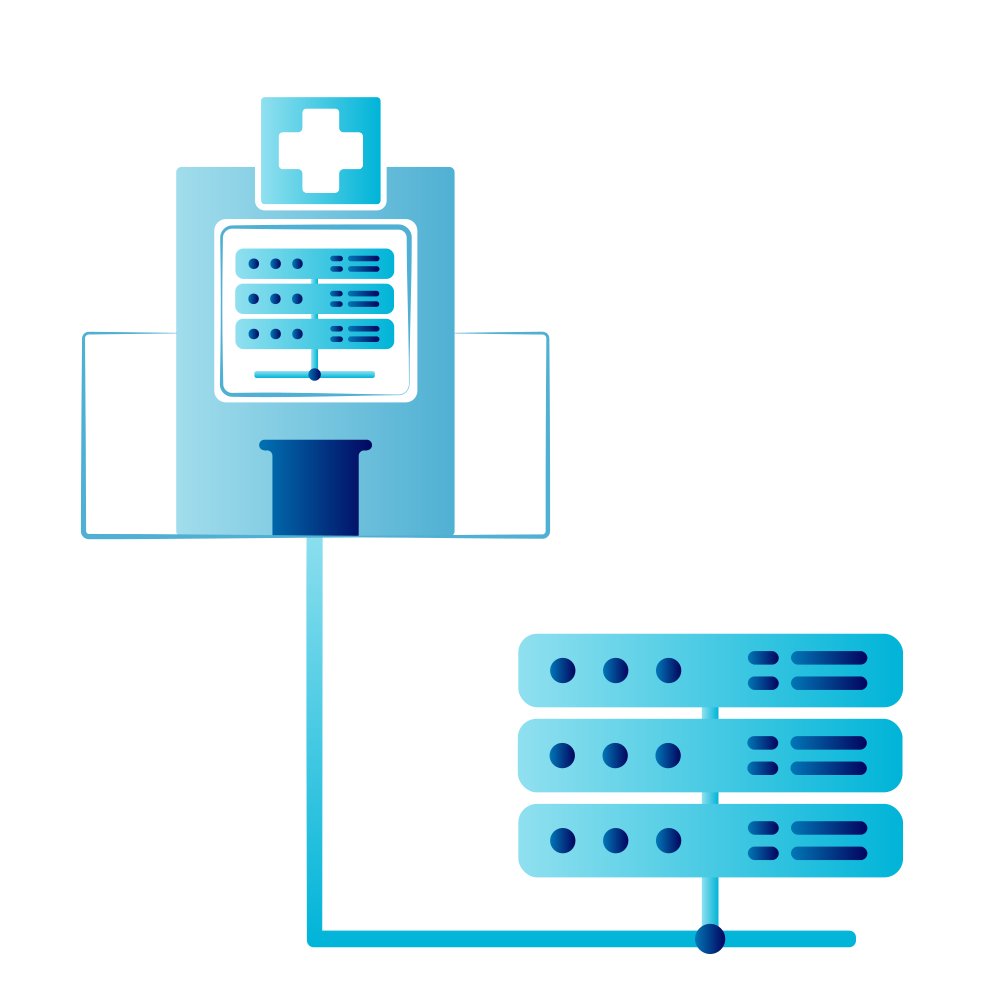
Nodes register with the federation and securely share metadata about available resources.
Federated Operations
The server orchestrates discovery, analytics, and learning tasks across participating nodes.
Auditing & Monitoring
Operations are logged to support compliance, traceability, and network monitoring.